Split vs Ducted at a Glance: $6,400-$9,600 4-Room Splits vs $10,000-$15,000 Whole House Ducted Australia
Split systems and ducted air conditioning serve different needs. Split systems cost $1,600-$2,400 per room with individual control, ideal for cooling 1-3 specific rooms. Ducted systems cost $10,000-$15,000 for whole-house cooling with invisible ceiling vents, better for 4+ rooms and adding premium property value (3-5% vs 1-2% for splits). 10-year total cost: splits $14,700 vs ducted $20,200. Ducted adds more resale value but takes 5+ years to recoup the cost difference.
Decision Overview
$1,600-$2,400 per room installed. 10-year total: $14,700 (typical use). Running cost: $290-$430/year. Adds 1-2% property value. Installed price for 4BR house. 10-year total: $20,200 (with zoning). Running cost: $400-$600/year (zoned). Adds 3-5% property value. Cooling only 1-3 rooms. Budget under $10,000. Renting or short-term stay. Want independent room control. No roof space for ducts. Cooling 4+ rooms or whole house. Budget allows $10,000-$15,000+. Staying 5-10+ years. Want invisible ceiling vents. Maximizing property value
Best Decision for Most Homeowners
Best Decision for Most Homeowners Cooling 1-3 rooms? Split systems are the clear winner - lower cost, easier installation, better running costs for targeted cooling. Cooling whole house (4+ rooms)? Ducted is better value long-term despite higher upfront cost - better aesthetics, property value, and comfort. Best of both worlds: Consider hybrid approach - ducted for main living areas + split in master bedroom for efficient night cooling ($9,800-$14,500 total).
Quote check
Compare itemised quotes for materials, labour, access, warranties and exclusions.
Local factors
Final pricing can vary by location, site access, compliance requirements and supplier availability.
Quick Comparison Table: Upfront Cost, Running Costs, Lifespan, Zone Control 2026 Australia
| Factor | Split Systems | Ducted System |
|---|---|---|
| Cost (4 rooms) | $6,400-$9,600 | $10,000-$15,000 |
| Installation Time | 1 day per unit | 2-4 days total |
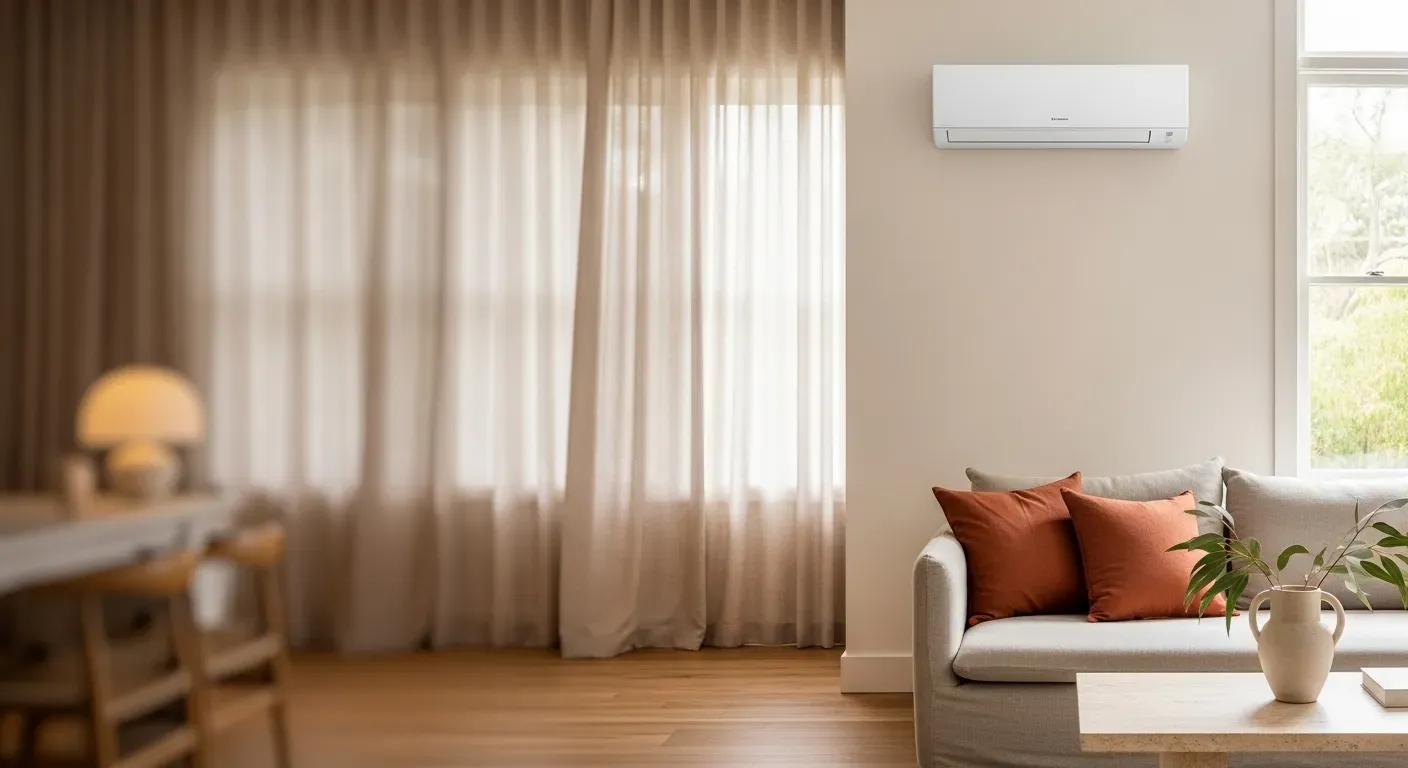
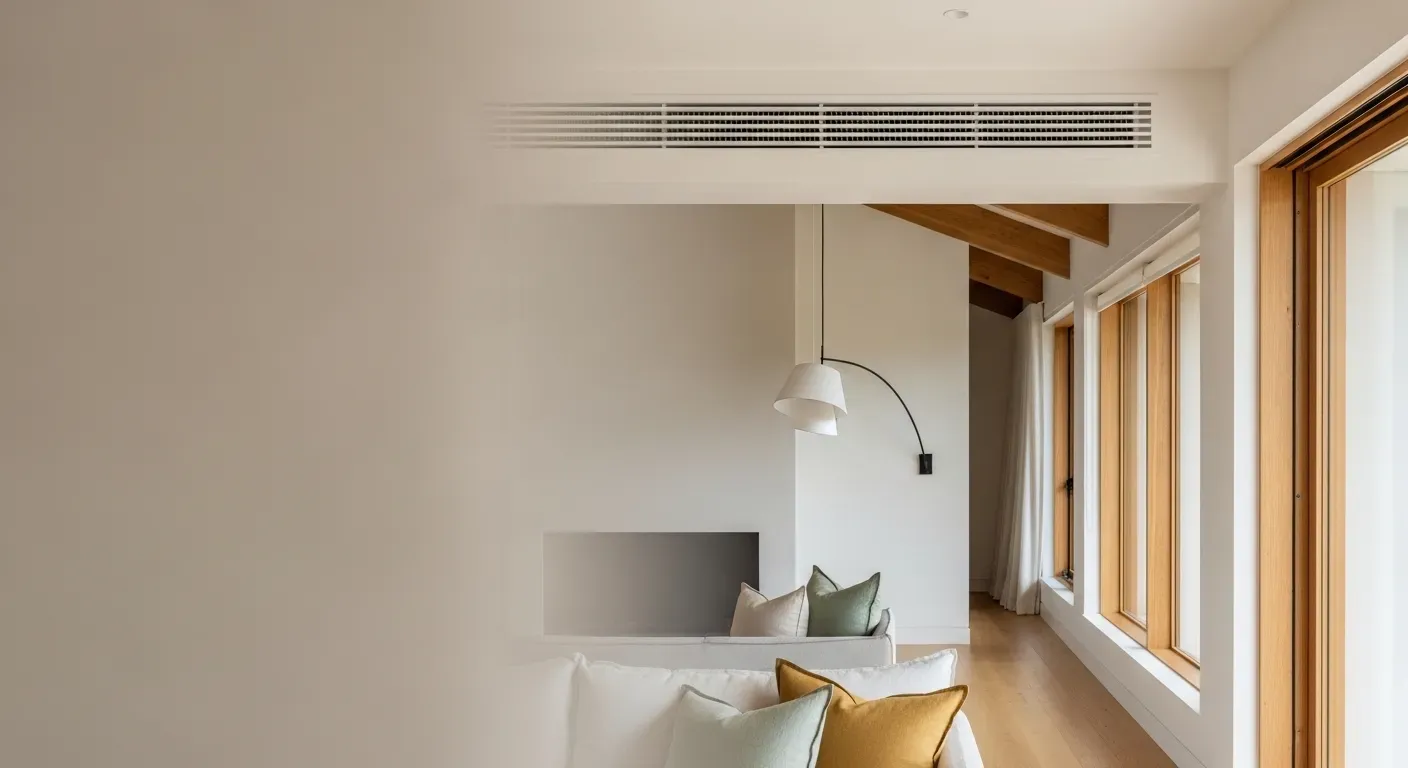
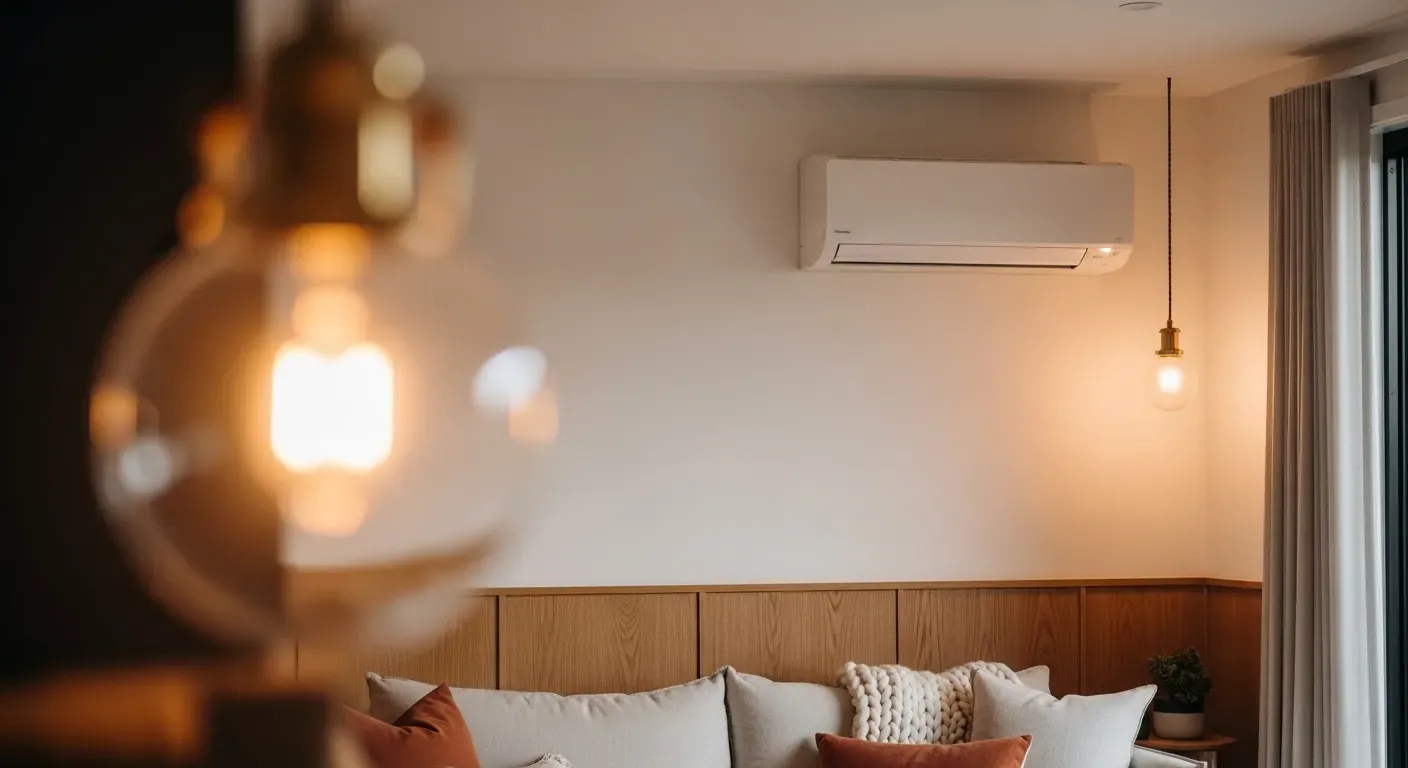
| Aesthetics | Wall units visible in each room | Hidden ceiling vents only |
| Room Control | Independent per unit | Zoning system (optional) |
| Running Cost | Lower (targeted cooling) | Higher (unless zoned) |
| Maintenance | $100-$150 per unit/year | $200-$350/year |
| Property Value Add | +1-2% | +3-5% |
| Lifespan | 12-15 years | 15-20 years |
| Noise Level | Moderate (in room) | Quiet (central location) |
| Best For | Targeted cooling, budget-conscious | Whole-home comfort, premium homes |
Detailed Cost Comparison: $14,700 vs $20,200 10-Year Total Cost, Installation & Running Costs Australia
Split System Total Costs
Initial Installation (4 typical rooms):
- Master bedroom (5kW): $1,800-$2,600
- Living room (7kW): $2,300-$3,400
- Bedroom 2 (2.5kW): $1,200-$1,800
- Bedroom 3 (2.5kW): $1,200-$1,800
- Total: $6,500-$9,600
Annual Running Costs (3 months summer, 4hrs/day):
- All 4 units running: $430-$648/year
- Typical use (2-3 units at a time): $290-$430/year
Annual Maintenance:
- Professional service (4 units): $400-$600/year
- DIY filter cleaning: Free (monthly task)
10-Year Total Cost:
$6,500 install + $3,200 running + $5,000 maintenance = $14,700 total
Ducted System Total Costs
Initial Installation (150m² house, 4BR):
- 14kW ducted unit: $7,000-$9,500
- Ductwork & vents (8-10 zones): $2,000-$3,500
- Zone controller: $600-$1,000
- Installation labor: $2,500-$4,000
- Total: $12,100-$18,000
Annual Running Costs:
- Without zoning (all rooms): $600-$900/year
- With zoning (3-4 rooms at a time): $400-$600/year
Annual Maintenance:
- Professional service: $250-$400/year
- Duct cleaning (every 3-5 years): $300-$600
10-Year Total Cost (with zoning):
$12,100 install + $5,000 running + $3,100 maintenance = $20,200 total
Cost Analysis Summary
10-year cost difference: Ducted costs $5,500 more than splits ($20,200 vs $14,700)
BUT: Ducted adds 3-5% property value vs 1-2% for splits
On a $700k home: Ducted adds $21,000-$35,000 value vs splits adding $7,000-$14,000
ROI: Ducted has better return if staying 5+ years and planning to sell. Splits are better for rentals, shorter stays, or purely running cost focus.
Energy Efficiency Comparison: 4-6 Star Split vs 5-7 Star Ducted, SEER Ratings, Zone Control Australia
Split Systems - Targeted Efficiency
Advantages:
- ✓ Only cool occupied rooms: Master bedroom at night = only 1 unit running (saves 60-75% vs ducted)
- ✓ Independent control: Set different temps in each room based on preference and insulation
- ✓ No duct losses: Direct cooling means 0% air leakage (ducts can lose 10-30% efficiency)
- ✓ Modern inverter tech: 5+ star units adjust power based on room temp (30-40% more efficient than old fixed-speed)
Disadvantages:
- ✗ Open-plan inefficiency: Multiple splits needed for large open areas (less efficient than one ducted zone)
- ✗ Overcooling individual rooms: Small splits often oversized, cycling on/off frequently (wastes energy)
Best Use Case:
Homes where you cool 1-2 specific rooms at a time (e.g., master bedroom at night, living room during day). Maximum efficiency when targeting cooling.
Ducted Systems - Whole-Home Efficiency
Advantages (with zoning):
- ✓ Efficient for simultaneous cooling: Running 4 zones more efficient than 4 individual splits
- ✓ Better for open-plan: One system cooling large areas more efficient than multiple splits
- ✓ Reverse-cycle whole-home: Heat entire house efficiently in winter (heat pump technology)
- ✓ Smart zoning: Close zones automatically when rooms reach target temp (saves 30-40%)
Disadvantages (without zoning):
- ✗ All-or-nothing cooling: Must cool entire house even if only using one room (wastes 60-80% energy)
- ✗ Duct leakage: Poorly installed ducts lose 10-30% of cooled air into roof cavity
- ✗ Long duct runs: Distant rooms receive less cooling (unit works harder)
Best Use Case:
Homes where you cool 3+ rooms simultaneously most of the time. MUST have zoning to be efficient. Without zoning, splits are more economical.
Real-World Efficiency Example:
Scenario: Family of 4, cooling living room (day) and 3 bedrooms (night), 4 hours each
Split Systems:
- Day: Living room 7kW split = 2kW/hr × 4hrs = 8kWh
- Night: 3× bedroom 2.5kW splits = 2.4kW/hr × 4hrs = 9.6kWh
- Daily total: 17.6kWh = $5.80/day
Ducted (with zoning):
- Day: Living zone only = 2.5kW/hr × 4hrs = 10kWh
- Night: Bedroom zones only = 3kW/hr × 4hrs = 12kWh
- Daily total: 22kWh = $7.26/day
Winner: Split systems save $1.46/day = $130/year in this scenario
Installation Considerations: 4-8 Hours Split, 2-3 Days Ducted, Space Requirements 2026 Australia
Split System Installation
Requirements:
- • Wall space for indoor unit (900mm × 300mm typical)
- • External wall access or long pipe run to outdoor unit
- • Outdoor space for condenser (600mm × 800mm per unit)
- • Power point nearby or electrician to install
Installation Time:
- • Single unit: 3-5 hours
- • Multiple units: Can install progressively (1-2 per day)
- • Minimal mess: Small wall holes only
Challenges:
- • Multiple outdoor units take up yard space
- • Wall units visible in every room
- • Pipe runs on external walls (aesthetic impact)
- • Unit placement matters for effectiveness
Ducted System Installation
Requirements:
- • Accessible roof cavity (400mm+ clearance)
- • Suitable outdoor location for main unit
- • Ceiling space for vents in each room
- • Adequate electrical supply (may need upgrade)
Installation Time:
- • Complete system: 2-4 days
- • Must do all at once (can't install progressively)
- • More invasive: Ceiling access holes, ductwork
Challenges:
- • Flat roofs or no roof cavity (may need bulkheads)
- • Two-storey homes (may need two systems)
- • Asbestos ceilings (expensive removal)
- • Tight ceiling spaces (difficult/costly install)
Home Suitability Guide:
Best for Split Systems:
- ✓ Apartments and townhouses
- ✓ Older homes without roof access
- ✓ Concrete slab ceilings
- ✓ Staged budget (install 1-2 units at a time)
- ✓ Rental properties
Best for Ducted:
- ✓ Single-storey homes with accessible roof
- ✓ New builds or major renovations
- ✓ Open-plan living areas
- ✓ Premium suburbs (expected feature)
- ✓ Large families (whole-house cooling)
Maintenance Requirements: $150-$300/Year Splits, $300-$500/Year Ducted, Filter Cleaning 2026 Australia
Split Systems Maintenance
Monthly (DIY):
- • Clean or wash indoor unit filters (10 minutes per unit)
- • Check outdoor unit for debris/leaves
Annually (Professional):
- • Deep clean indoor coils: $80-$120 per unit
- • Check refrigerant levels: Included
- • Electrical inspection: Included
- • Clean outdoor condenser: $30-$50 per unit
- Total: $110-$170 per unit × 4 = $440-$680/year
Repair Costs (10-year average):
- • Minor repairs: $200-$400 per unit
- • Major repairs (compressor): $800-$900+ per unit
- • Benefit: Failure affects only one room
Ducted System Maintenance
Monthly (DIY):
- • Clean/replace return air filter (5 minutes)
- • Check vents aren't blocked by furniture
Annually (Professional):
- • System inspection and service: $250-$400
- • Check all zones functioning correctly
- • Clean main unit coils
- • Check refrigerant levels
Every 3-5 Years:
- • Professional duct cleaning: $300-$600
- • Removes dust, allergens, potential mold
Repair Costs (10-year average):
- • Minor repairs: $300-$600
- • Major repairs (compressor): $1,500-$3,500
- • Downside: Failure affects entire house
Decision Framework: Which Should You Choose? 1-3 Rooms = Splits, 4+ Rooms = Ducted, Resale Value Australia
✓ Choose Split Systems If:
- ☑ Budget under $10,000 for 4 rooms
- ☑ You only cool 1-2 rooms at a time (bedrooms at night, living during day)
- ☑ Want flexibility to install progressively (1-2 units now, more later)
- ☑ Renting or may move within 5 years
- ☑ Apartment, townhouse, or unit
- ☑ No suitable roof space for ducts
- ☑ Concrete ceilings or no roof access
- ☑ Want independent room control with different temperatures
- ☑ Rental property (easier to maintain, cheaper to replace)
- ☑ Prioritize running costs over aesthetics
✓ Choose Ducted System If:
- ☑ Budget allows $10,000-$18,000
- ☑ You cool entire house simultaneously (3+ rooms at once)
- ☑ Planning to stay 8+ years (allows value appreciation)
- ☑ Building new home or major renovation
- ☑ Large open-plan living areas
- ☑ Suitable roof cavity with good access
- ☑ Aesthetics important (hidden vents vs wall units)
- ☑ Premium suburb where ducted is expected
- ☑ Resale value priority (adds 3-5% to property value)
- ☑ Whole-home heating in winter (reverse-cycle)
Best Hybrid Solution:
Ducted for main living areas + Split in master bedroom is the most popular and cost-effective combination:
- Ducted zones: Living, dining, kitchen, kids bedrooms ($10,000-$14,000)
- Master split: 5kW for bedroom + ensuite ($1,800-$2,500)
- Total cost: $11,800-$16,500
Benefits: Ducted for family areas during day. Run only master split at night (saves $100-$200/year vs ducted). Independence if one system fails. Best of both worlds for $2,000-$3,000 extra vs ducted alone.
Government Rebates & Incentives : VIC $200, NSW $150, QLD $300 Energy Efficiency 2026 Australia
Available Rebates by State (2026)
Victoria (VEU Scheme)
Reverse Cycle Split Systems: $200-$400 rebate per unit (depending on size and efficiency)
Ducted Systems: $300-$600 rebate for high-efficiency systems
Eligibility: Must be 5+ star energy rating, installed by accredited provider
How to claim: Installer usually discounts at point of sale through VEU certificates. Ask your installer if they participate in VEU scheme.
New South Wales (ESS & PDRS)
Energy Savings Scheme (ESS): $200-$500 for high-efficiency reverse cycle units
Peak Demand Reduction Scheme (PDRS): Additional $100-$300 for systems with smart controls
Eligibility: Must replace old inefficient AC or be new installation with 6+ star rating
How to claim: Accredited providers apply discounts directly. Look for "ESS participant" installers.
South Australia (Retailer Energy Productivity Scheme)
REPS Rebate: $150-$350 for energy-efficient reverse cycle air conditioners
Best combined with: Home Battery Scheme (if installing solar + AC)
How to claim: Through participating retailers and installers at time of purchase.
Queensland, WA, Tasmania, NT, ACT
Current status: Limited state-based rebates for residential AC (as of 2026)
Federal incentives: No direct AC rebates, but energy-efficient systems may qualify for:
- • Tax deductions for rental properties (claim depreciation)
- • Small-scale Technology Certificates (STCs) if combined with solar installation
Tax Benefits for Rental Properties
Immediate Deduction: Air conditioning units under $300 can be claimed in full in the year of purchase
Depreciation: Systems over $300 depreciated over effective life:
- • Split systems: 10-year effective life (10% per year)
- • Ducted systems: 15-year effective life (6.67% per year)
Example: $8,000 ducted system = $533/year tax deduction for 15 years. At 32.5% tax rate, saves $173/year in tax.
Note: Consult a tax professional for specific advice. Instant asset write-off thresholds change annually.
Top Brand & Model Recommendations : Daikin, Mitsubishi, Fujitsu, Actron Air Australia
Best Split System Brands
1. Daikin
Best OverallWhy recommended: Japanese quality, ultra-quiet operation (19dB), best energy efficiency (7+ stars available)
Popular models: Daikin US7 (inverter, 7-star), Daikin Cora (budget-friendly, 5.1-star)
Price range: $1,200-$3,000 per unit + installation
Warranty: 5 years parts & labor (best in class)
Best for: Quiet bedrooms, premium installations, long-term reliability
2. Mitsubishi Electric
Most ReliableWhy recommended: Exceptional build quality, proven longevity (15+ years), excellent humidity control
Popular models: Mitsubishi MSZ-AP (allergen filter, Wi-Fi), MSZ-GL (budget series)
Price range: $1,400-$3,200 per unit + installation
Warranty: 5 years standard, 7 years available with registration
Best for: Coastal areas (corrosion-resistant), allergy sufferers, maximum reliability
3. Panasonic
Best ValueWhy recommended: Best features for the price, Nanoe-X air purification, smart home integration
Popular models: Panasonic Z Series (flagship, app control), CS/CU Series (mid-range)
Price range: $1,100-$2,600 per unit + installation
Warranty: 5 years parts & compressor
Best for: Smart home enthusiasts, air quality focus, budget-conscious buyers wanting premium features
4. Fujitsu
Why recommended: Strong energy efficiency, good Australian support network, powerful heating
Popular models: Fujitsu ASTG (lifestyle series), KMTC (compact design)
Price range: $1,000-$2,400 per unit + installation
Best for: Cold climates needing strong heating, energy efficiency priority
Budget Option: Kelvinator / Electrolux
Why mentioned: Acceptable quality at entry-level pricing, good for rentals
Price range: $800-$1,600 per unit + installation
Warranty: 3 years standard
Best for: Rental properties, tight budgets, temporary solutions
Note: Shorter lifespan (8-10 years), louder operation, fewer features
Best Ducted System Brands
1. Daikin Ducted
Industry LeaderWhy recommended: Market leader, quietest operation, best zoning control systems
Popular models: Daikin FDYQN (premium inverter), FDYAN (mid-range)
Price range: $10,000-$18,000 installed (14-16kW system)
Key features: iZone or Advantage Air compatible, 8-zone capability, smartphone control
Best for: Premium homes, maximum comfort, best resale value
2. ActronAir
100% AustralianWhy recommended: Designed for Australian conditions, excellent local support, tough in extreme heat
Popular models: ActronAir ESP (Platinum series), SR (Silver series)
Price range: $9,500-$17,000 installed
Key features: Australian-made, Zone Controller with app, proven in 45°C+ heat
Best for: Hot Australian summers, supporting local, excellent service network
3. Mitsubishi Heavy Industries (MHI)
Why recommended: Commercial-grade reliability, powerful performance, long lifespan
Price range: $10,500-$17,500 installed
Best for: Large homes (200m²+), commercial applications, maximum durability
️ Best Zoning Systems (compatible with above brands)
Advantage Air MyAir: Best smart zoning system, app control, temperature sensors in each zone
iZone: Excellent alternative, works with most brands, great interface
Cost: $600-$1,200 premium for smart zoning vs basic zones
ROI: Saves 30-40% on running costs by only cooling occupied zones
Smart Features Worth Paying For (2026)
✓ Must-Have Features:
- • Inverter technology: 30-40% more efficient (standard on all premium brands)
- • Wi-Fi / App control: Control from anywhere, scheduling ($100-$200 add-on)
- • 5+ star energy rating: Pays for itself in 2-3 years
- • Zoning (ducted): Essential for efficiency, not optional
Nice-to-Have Features:
- • Air purification: Nanoe-X, ionizers ($150-$300 premium)
- • Motion sensors: Auto on/off when room occupied
- • Voice control: Alexa/Google Home integration
- • Humidity control: Dry mode for coastal areas
Recommendations by Australian Climate Zone: Sydney, Melbourne, Brisbane, Perth, Adelaide, Darwin
Tropical North (Darwin, Cairns, Townsville)
Climate Challenges:
- • High humidity year-round (60-80%)
- • Consistent heat (cooling needed 10-12 months)
- • Monsoon season (corrosion risk)
Best Choice: Split Systems (Individual Room Control)
Why: Need cooling year-round but different rooms at different times. Ducted wastes energy cooling entire house constantly.
Recommended: Mitsubishi Electric (corrosion-resistant coating), Daikin (humidity control)
Sizing: Go 1-size larger than southern states (humidity makes it feel hotter)
Must-have feature: Dry mode / dehumidification
Cost: Expect 20-30% higher running costs than southern states (constant use)
Hot Dry (Perth, Adelaide, Western Sydney)
Climate Challenges:
- • Extreme summer heat (35-45°C)
- • Low humidity (comfortable when cooled)
- • Long hot season (October-March)
Best Choice: Ducted for Whole-Home (4+ BR) or Splits for 1-3 BR
Why: Extreme heat means whole family gathers in cooled areas. Ducted provides consistent whole-home comfort during 40°C+ days.
Recommended brands: ActronAir (designed for Aussie heat), Daikin (reliable in extreme temps)
Sizing: Must be sized correctly - undersized systems fail in heatwaves
Must-have: Inverter technology (handles temperature extremes better), zoning to avoid overcooling at night
Cost consideration: High running costs in summer ($150-$250/month Dec-Feb). Solar panels highly recommended.
Temperate Coastal (Sydney, Brisbane, Gold Coast)
Climate Challenges:
- • Hot humid summers (25-35°C, 70% humidity)
- • Moderate winters (heating 2-3 months)
- • Salt air corrosion (coastal properties)
Best Choice: Reverse Cycle Splits (Flexible & Dual Purpose)
Why: Need cooling 4-5 months, heating 2-3 months. Split systems offer flexibility to cool/heat only occupied rooms.
Recommended: Daikin (quiet + dual purpose), Panasonic (humidity control + air purification)
Sizing: Standard sizing works well (not extreme like inland areas)
Must-have: Anti-corrosion coating (coastal), reverse-cycle for winter heating
Hybrid option: Ducted for living areas + split in master = best flexibility
Cost: Moderate running costs ($60-$120/month in peak summer)
Cool Climate (Melbourne, Canberra, Hobart)
Climate Challenges:
- • Cold winters (5-15°C, heating needed 4-5 months)
- • Hot summers (cooling needed 2-3 months)
- • High heating demand priority
Best Choice: Reverse Cycle Ducted or Hybrid (Ducted + Gas Heating)
Why: Year-round whole-home heating priority. Reverse cycle ducted provides both, but gas heating performs better below 5°C.
Option 1 (Most Cost-Effective): Reverse cycle ducted only ($10,000-$15,000)
- • Heats well down to 0°C
- • 40-60% cheaper than gas to run
- • Handles summer cooling too
Option 2 (Best Performance): Gas ducted heating + reverse cycle split for summer ($12,000-$18,000)
- • Gas for powerful whole-home winter heating
- • Splits for summer cooling (cheaper than cooling via ducted)
Recommended brands: Fujitsu (excellent heating COP), Daikin (dual purpose)
Must-have: Strong heating performance (check COP rating for heating), outdoor unit rated for sub-zero temps
Quick Sizing Guide by Climate
| Room Size | Temperate | Hot/Tropical | Cold Climate |
|---|---|---|---|
| Bedroom (12-15m²) | 2.5kW | 3.5kW | 2.5kW |
| Living Room (25-30m²) | 5-6kW | 7kW | 6kW |
| Open Plan (40-50m²) | 7-9kW | 10-12kW | 8-10kW |
| Whole House (150m²) | 12-14kW ducted | 16-18kW ducted | 14-16kW ducted |
Note: Insulation quality, ceiling height, window area, and building materials significantly affect sizing. Always get professional heat load calculation.
Common Problems & Troubleshooting: Refrigerant Leaks, Poor Cooling, Noise Issues Australia
Split System Issues
Unit Not Cooling / Weak Airflow
DIY Fixes (try first):
- • Clean or replace indoor air filters (most common cause - 70% of "not cooling" calls)
- • Check outdoor unit for debris blocking airflow (leaves, grass clippings)
- • Ensure all doors/windows closed in room being cooled
- • Check remote batteries and mode settings (ensure on COOL not FAN)
Call Professional If:
- • Filters clean but still weak airflow → blocked evaporator coils ($120-$200 deep clean)
- • Outdoor fan not spinning → capacitor or fan motor failure ($200-$450)
- • Ice forming on indoor unit → refrigerant leak or low gas ($250-$600 re-gas + repair)
Water Leaking from Indoor Unit
DIY Fixes:
- • Turn off unit immediately (prevent water damage)
- • Check drain pipe outside - ensure not blocked (pour water down drain to test)
- • Remove any kinks in condensate drain line
Professional Fix Required:
- • Blocked internal drain pan → clean + treat with algaecide ($100-$180)
- • Unit not level → re-mount indoor unit ($150-$300)
- • Drain pump failure (if installed) → replace pump ($200-$400)
Prevention: Annual service includes drain cleaning. Costs $80-$120 vs $300+ water damage repairs.
Unit Turns On/Off Every Few Minutes (Short Cycling)
Common Causes:
- • Unit too large for room: Reaches temp quickly, cycles off, repeats (wastes energy, wears compressor)
- • Dirty filters: Restricts airflow, triggers safety shutoff
- • Refrigerant issue: Low gas causes pressure imbalance
- • Thermostat problem: Faulty temperature sensor
Solutions:
- • Clean filters first (free DIY fix)
- • If oversized: Use "Eco" or "Quiet" mode to reduce output
- • Professional check: Refrigerant pressure test + sensor check ($120-$180 callout)
Bad Smell When Operating
Smell Types & Causes:
- • Musty/mouldy smell: Mould in drain pan or evaporator coils (common in humid areas)
- • Burning smell: Dust on heating elements (if just started using) OR electrical fault
- • Chemical smell: Refrigerant leak (sweet/ether smell) - serious issue
Solutions:
- • Musty: Deep clean coils + anti-bacterial spray ($120-$200)
- • Burning: If persists after 30 mins, turn off + call technician ($150-$400 depending on fault)
- • Chemical: Turn off immediately, ventilate room, emergency callout ($250+ for leak detection and repair)
Ducted System Issues
Some Rooms Not Cooling / Uneven Temperatures
Common Causes:
- • Closed or partially closed zone dampers
- • Blocked vents (furniture, curtains)
- • Duct leaks in ceiling (10-30% air loss common in poor installations)
- • Undersized system or zones incorrectly balanced
Solutions:
- • DIY: Check all zone controllers are "open", clear vent obstructions
- • Professional: Duct pressure test + seal leaks ($300-$800)
- • Professional: Re-balance zones for even airflow ($200-$400)
- • Major fix: Duct redesign if severely undersized ($2,000-$5,000)
Loud Rumbling / Banging Noises
Noise Types:
- • Banging when starting: Ducts expanding/contracting (normal if occasional)
- • Constant rumbling: Loose fan blades or motor mounts
- • Whistling/hissing: Air leak at duct joints or vents
- • Grinding: Bearing failure in fan motor (urgent)
Solutions:
- • Occasional banging: Normal, can add insulation to ducts to dampen ($200-$500)
- • Rumbling: Tighten motor mounts, balance fan ($150-$300)
- • Grinding: Replace fan motor before complete failure ($400-$800)
High Electricity Bills / System Running Constantly
Common Causes:
- • No zoning (cooling entire house even when only using 1-2 rooms)
- • Major duct leaks (cooling roof cavity instead of house)
- • Thermostat in wrong location (hot spot triggers constant running)
- • Dirty return air filter (system works harder)
- • System undersized (runs 100% duty cycle, never reaches temp)
Solutions:
- • Install zoning system ($1,200-$2,500) - saves 30-40% running costs
- • Duct sealing ($300-$800) - can recover 10-30% lost efficiency
- • Relocate thermostat to central living area ($150-$300)
- • Clean/replace return air filters quarterly (DIY - free)
ROI: Zoning system pays for itself in 2-4 years through reduced electricity costs.
Repair vs Replace Decision Guide
✓ Repair If:
- • Unit under 7 years old
- • Repair cost under $600
- • Only one component failed (fan, capacitor, sensor)
- • Good brand (Daikin, Mitsubishi, Panasonic, ActronAir)
- • Still under warranty (parts covered)
Formula: If repair cost × 2 < replacement cost, repair is worth it
✗ Replace If:
- • Unit over 12 years old (near end of life)
- • Compressor failure (repair $1,500-$3,500 vs $2,000-$4,000 new unit)
- • Multiple failures in past 2 years
- • Refrigerant type being phased out (R22 - can't be re-gassed legally)
- • Running costs high (old inefficient model vs new 7-star unit saves $200-$400/year)
New units are 40-60% more efficient than 10-year-old models - savings pay off replacement cost
Warranty Expectations & What's Covered
Standard Warranties (Premium Brands):
- • Parts: 5 years (Daikin, Mitsubishi, Panasonic, Fujitsu)
- • Compressor: 5-7 years (most critical component)
- • Labor: 1-2 years only (after that, you pay callout + hourly rate)
- • Ducting: 1 year workmanship (installer), 5 years parts (manufacturer)
What's NOT Covered:
- • Lack of maintenance (dirty filters void warranty)
- • Incorrect installation (why choosing licensed installer matters)
- • Accidental damage, misuse, or modifications
- • Re-gassing due to slow leaks (warranty covers leak repair, not gas)
- • Normal wear items (filters, remote batteries)
Warranty Tips:
- • Register your product within 30 days (many brands offer extended warranty for registered units)
- • Keep proof of annual servicing (required to maintain warranty on most brands)
- • Use authorized service agents for repairs (third-party repairs void warranty)
- • Document installation date and installer details