Pool Maintenance Guide Australia pH 7.2-7.6, Daily/Weekly/Monthly Schedule & $800-$900+ Annual Cost 2026
Expert pool maintenance guide for Australian pools. Learn daily, weekly, and monthly maintenance tasks, chemical balancing, equipment care, and cost-saving tips.
Pool Maintenance Quick Answer Australia
Australian pool owners should skim and check water daily (2 minutes), test and balance chemicals weekly (15 minutes), and clean filters plus inspect equipment monthly (30 minutes). Target free chlorine 1-3ppm, pH 7.2-7.6, total alkalinity 80-120ppm, calcium hardness 200-400ppm, and cyanuric acid 30-50ppm. DIY costs $700-$1,500/year in chemicals and power; professional servicing adds $120-$200/month ($1,440-$2,400/year). Run the pump 6-8 hours in summer, 4-6 hours in winter, and backwash sand/DE filters every 4-6 weeks or when pressure rises 8-10psi above clean baseline.
Weekly 15-min routine
Test and balance pH, chlorine, alkalinity. Skim, brush walls, vacuum, empty pump/skimmer baskets, check water level.
Target chemistry
Free chlorine 1-3ppm. pH 7.2-7.6. Alkalinity 80-120ppm. Calcium hardness 200-400ppm. Cyanuric acid 30-50ppm.
Pump and filter
Run pump 6-8 hrs summer, 4-6 hrs winter. Backwash sand/DE filter every 4-6 weeks or at +8-10psi. Clean cartridge filter every 3 months.
Annual cost
DIY $700-$1,500/yr (chemicals + power). Monthly pro service $120-$200 = $1,440-$2,400/yr. Saltwater pools cut chlorine costs 40%.
Complete Pool Maintenance Checklist: Daily, Weekly, Monthly & Seasonal Tasks Australia
Follow this schedule to keep your pool pristine year-round
Daily
5-10 minutes
- ✓ Skim surface debris
- ✓ Empty skimmer baskets
- ✓ Check water level
- ✓ Visual clarity check
Weekly
30-45 minutes
- ✓ Test water chemistry
- ✓ Brush walls & floor
- ✓ Vacuum pool
- ✓ Check pump & filter
- ✓ Shock pool (if needed)
Monthly
1-2 hours
- ✓ Clean filter thoroughly
- ✓ Check calcium hardness
- ✓ Inspect equipment
- ✓ Professional water test
- ✓ Check salt cell (saltwater)
Seasonal
Every 3-6 months
- ✓ Acid wash (if needed)
- ✓ Deep equipment service
- ✓ Replace filter media
- ✓ Winterize (if cold climate)
- ✓ Professional inspection
Pro Tip: Set Reminders
Add recurring calendar reminders for weekly and monthly tasks. Consistent maintenance prevents costly emergency treatments and extends your pool's lifespan by years.
Pool Water Chemistry Guide: pH 7.2-7.6, Chlorine 1-3ppm, Alkalinity 80-120ppm Australia
Master these 6 key parameters for crystal clear, safe swimming water
1. pH Level (Most Important)
Ideal: 7.2-7.6
What it affects:
- • Chlorine effectiveness (low pH = strong chlorine, high pH = weak chlorine)
- • Swimmer comfort (eyes, skin irritation)
- • Equipment corrosion or scaling
- • Water clarity
How to fix:
- Too Low (<7.0): Add soda ash or pH increaser (50-100g per 10,000L)
- Too High (>7.8): Add dry acid or pH decreaser (50-100g per 10,000L)
- • Retest after 4-6 hours
- • Make small adjustments (easier to raise than lower)
2. Chlorine (Sanitizer)
Chlorine Pools: 1-3 ppm | Saltwater: 0.5-1 ppm
What it does:
- • Kills bacteria, viruses, and algae
- • Oxidizes organic contaminants
- • Keeps water safe for swimming
- • Prevents cloudy water
How to fix:
- Too Low (<1 ppm): Add liquid chlorine or granular chlorine immediately
- Too High (>5 ppm): Stop adding chlorine, run pump 24 hrs, or add neutralizer
- • Shock weekly with 3x dose to break down chloramines
- • Always shock at night (sunlight destroys chlorine)
3. Total Alkalinity (pH Buffer)
Ideal: 80-120 ppm
Why it matters:
- • Stabilizes pH (prevents wild swings)
- • Protects pool surfaces from corrosion
- • Improves chlorine efficiency
- • Fix alkalinity BEFORE adjusting pH
How to fix:
- Too Low (<80): Add sodium bicarbonate (bicarb soda) 200g per 10,000L
- Too High (>150): Add dry acid carefully (lowers both alkalinity and pH)
- • Aim for 100 ppm (ideal middle ground)
- • Retest 12-24 hours after adjustment
4. Calcium Hardness
Ideal: 200-400 ppm
What happens when unbalanced:
- • Too Low: Corrosion of equipment, etching of plaster, pitted surfaces
- • Too High: Cloudy water, scaling on surfaces, clogged filters
- • Particularly important for concrete pools
- • Fibreglass pools less sensitive
How to fix:
- Too Low (<150): Add calcium chloride (500g per 10,000L raises by ~50 ppm)
- Too High (>500): Partially drain and refill with fresh water
- • Test monthly (changes slowly)
- • Critical for plaster/concrete pools
5. Cyanuric Acid (Stabilizer)
Ideal: 30-50 ppm
Purpose:
- • Protects chlorine from UV degradation
- • Reduces chlorine consumption (saves money)
- • Essential for outdoor pools in Australia
- • Only for chlorine pools (not saltwater)
How to fix:
- Too Low (<20): Add stabilizer (cyanuric acid granules)
- Too High (>80): Partially drain and refill (stabilizer doesn't evaporate)
- • Increases slowly from stabilized chlorine tablets
- • Test quarterly
6. Salt Level (Saltwater Pools Only)
Ideal: 3,000-4,000 ppm
Why it's critical:
- • Chlorinator requires proper salt concentration
- • Too low = insufficient chlorine production
- • Too high = cell damage, corrosion
- • Check after heavy rain (dilution)
How to fix:
- Too Low (<2,500): Add pool salt (10kg per 10,000L raises by ~1,000 ppm)
- Too High (>5,000): Partially drain and refill with fresh water
- • Use pool-grade salt (not table salt)
- • Run pump 24hrs after adding salt
Chemical Safety Warning
Never mix pool chemicals together - always add them separately with pump running. Wait 15 minutes between additions. Store chemicals in cool, dry location away from sunlight. Keep acids separate from chlorine (explosive reaction). Wear gloves and goggles when handling chemicals.
Fibreglass vs Concrete vs Vinyl Pool Maintenance: $800-$2,500 Annual Cost Comparison Australia
Different pool types require specific maintenance approaches
Fibreglass Pools
Easiest to Maintain
$800-$1,200/year
Weekly Tasks:
- • Test water chemistry (15-20% less chemicals needed)
- • Light brush walls (smooth gelcoat resists algae)
- • Vacuum as needed (less debris sticks)
- • Check for gel coat damage (rare but important)
Annual Maintenance:
- • Gel coat wax (optional, every 3-5 years) - $300-$500
- • Surface polish if dull - $200-$400
- • Check for osmosis blisters - rare occurrence
Maintenance Advantages:
Non-porous surface prevents algae growth, requires 30% less chemicals, no replastering needed, and smoother surface easier to clean.
Concrete Pools
Highest Maintenance
$1,500-$2,500/year
Weekly Tasks:
- • Brush walls thoroughly (porous surface attracts algae)
- • Higher chemical usage (rough surface)
- • Vacuum more frequently
- • Check for surface degradation
Regular Maintenance:
- • Acid wash every 2-3 years - $300-$600
- • Replaster every 10-15 years - $8,000-$15,000
- • Tile grout repair - $200-$800
- • Check for cracks and structural issues
Maintenance Challenges:
Porous surface harbours algae, requires more chemicals, periodic resurfacing needed, and rough surface harder to clean.
Vinyl-Lined Pools
Moderate Maintenance
$1,000-$1,600/year
Weekly Tasks:
- • Gentle brushing (avoid damaging liner)
- • Lower chemical usage than concrete
- • Watch for tears, punctures, wrinkles
- • Check seams and fittings
Special Considerations:
- • Liner replacement every 7-10 years - $3,000-$5,000
- • Patch tears promptly - $50-$200 per patch
- • Avoid sharp objects near pool
- • Use soft-bristle brushes only
Maintenance Notes:
Smooth like fibreglass but vulnerable to tears. Balance chemicals carefully to prevent liner fading and deterioration.
Pool Equipment Care: Pump 8-12yrs, Filter Cleaning Monthly, Salt Cell $400-$800 2026 Australia
Proper care extends equipment lifespan and prevents costly repairs
Filter Maintenance
Cartridge Filters:
- • Clean monthly (hose off debris)
- • Deep clean quarterly (filter cleaner soak)
- • Replace every 1-2 years ($80-$200)
- • Signs to replace: tears, flat pleats, won't clean
Sand Filters:
- • Backwash when pressure +8-10 PSI
- • Backwash 2-4 minutes until clear
- • Replace sand every 5-7 years ($150-$300)
- • Add filter cleaner quarterly
DE Filters:
- • Backwash every 4-6 weeks
- • Add fresh DE powder after backwash
- • Replace grids every 3-5 years ($200-$400)
- • Most effective but highest maintenance
Pump Maintenance
Weekly Checks:
- • Listen for unusual noises (grinding, squealing)
- • Check for leaks around seals
- • Empty pump basket
- • Verify proper water flow
Monthly Tasks:
- • Inspect pump lid O-ring (lubricate if dry)
- • Check pressure gauge accuracy
- • Clean debris from pump housing
- • Verify timer settings
Replace Pump When:
- • Motor makes loud noises (bearing failure)
- • Won't prime or loses prime frequently
- • Visible leaks from motor housing
- • Over 10 years old (upgrade to variable-speed)
Chlorinator & Heater
Salt Chlorinator (Saltwater):
- • Inspect cell monthly for calcium buildup
- • Clean cell every 3 months (acid wash)
- • Check salt level after heavy rain
- • Replace cell every 3-5 years ($400-$800)
Pool Heater:
- • Annual professional service ($150-$300)
- • Check pilot light (gas heaters)
- • Clean heat exchanger annually
- • Winterize in cold climates (drain water)
Signs of Problems:
- • Chlorinator: "low salt" error, no chlorine production
- • Heater: won't ignite, pilot goes out, strange noises
- • Call professional for repairs ($200-$800)
Automatic Pool Cleaner
Robotic Cleaners:
- • Empty filter canister after each use
- • Rinse canister and brushes weekly
- • Store out of sun when not in use
- • Replace brushes every 1-2 years ($50-$100)
Suction/Pressure Cleaners:
- • Check hoses for cracks monthly
- • Empty debris bag after use
- • Replace wheels/tracks when worn ($30-$80)
- • Inspect diaphragm (suction) or backup valve (pressure)
Common Issues:
- • Not moving: check hose kinks, wheel debris
- • Not picking up debris: empty bag/canister
- • Stuck in corners: adjust float or weight
Pool Maintenance by Climate: Sydney, Melbourne, Brisbane & Perth Regional Schedules Australia
Tailor your maintenance schedule to your local climate
Tropical/Subtropical (QLD, Northern NSW)
Year-round pool use • High maintenance intensity
Summer (Nov-Mar) - Peak Intensity:
- • Test water 3-4 times/week (high UV & heat)
- • Run pump 10-12 hrs/day (algae risk extreme)
- • Shock pool twice weekly
- • Higher chemical consumption (30-40% more)
- • Empty skimmer baskets daily (leaf debris)
Wet Season Challenges (Dec-Apr):
- • Heavy rain dilutes chemicals - retest after each storm
- • Increased algae risk from warmer water
- • More frequent filter cleaning needed
- • Monitor water level (overflow in heavy rain)
- • Winter: Still swim-friendly, maintain full schedule
Temperate (Sydney, Coastal NSW/VIC)
6-8 month swim season • Moderate maintenance
Summer (Nov-Mar):
- • Test water 2-3 times/week
- • Run pump 8-10 hrs/day
- • Weekly shocking recommended
- • Pool cover at night saves water (evaporation high)
- • Brush walls weekly
Winter (Jun-Aug) - Reduced Schedule:
- • Test water weekly only
- • Run pump 4-6 hrs/day
- • Add winter algaecide ($25-$40)
- • Clean filter monthly (vs weekly in summer)
- • Cost savings: $200-$400 over winter months
Cool Temperate (Melbourne, Southern VIC/SA)
4-6 month swim season • Seasonal maintenance
Summer (Dec-Feb) - Full Intensity:
- • Test water 2-3 times/week
- • Run pump 8-10 hrs/day
- • Heating often required (heat pump recommended)
- • Pool cover essential (heat retention)
Winter (Jun-Aug) - Minimal Maintenance:
- • Consider winterizing (partially drain if freezing risk)
- • Run pump 3-4 hrs/day minimum
- • Test water fortnightly
- • Cover with leaf cover (not solar)
- • Annual savings: $300-$500 vs year-round maintenance
Mediterranean (Perth, WA)
8-10 month swim season • Hot dry summers
Summer (Nov-Mar) - Extreme Heat:
- • High evaporation (top up water frequently)
- • UV destroys chlorine fast - test daily
- • Pool cover critical ($500-$1000/year water savings)
- • Run pump during coolest hours (night best)
- • Higher chemical usage than eastern states
Winter (Jun-Aug) - Mild:
- • Extended swim season with heating
- • Test water weekly
- • Run pump 4-6 hrs/day
- • Solar heating ideal (abundant winter sun)
- • Lower maintenance costs than summer
Pool Maintenance Costs: DIY $800-$900+ vs Professional $1,800-$3,500 2026 Australia
Budget for DIY vs professional pool maintenance
DIY Maintenance
$800-$1,500/year
Plus 3-4 hours/week time commitment
Monthly Costs:
Annual One-Off Costs:
- • Filter cleaning/replacement: $80-$200
- • Professional water test (quarterly): $80-$160
- • Minor equipment repairs: $100-$300
Professional Service
$1,800-$3,500/year
Weekly service • Minimal time commitment
What's Included (Weekly Service $35-$65/visit):
- • Water testing & chemical balancing
- • Skimmer basket emptying
- • Brushing walls & steps
- • Vacuuming (some services)
- • Equipment checks & minor repairs
- • Filter cleaning (monthly)
- • Professional advice & troubleshooting
Additional Costs:
- • Chemicals usually included in service fee
- • Major equipment repairs: $200-$2,000
- • Acid wash: $300-$600 (every 2-3 years)
5-Year Total Ownership Costs
Fibreglass Pool (DIY)
$4,000-$7,500
Lowest long-term costs
Concrete Pool (DIY)
$7,500-$15,000
Includes acid wash & repairs
Vinyl Pool (DIY)
$5,000-$9,000
May need liner replacement
Pool Chemical Storage & Safety: Never Mix Chlorine + Acid, Handling Best Practices Australia
Proper chemical handling prevents accidents and maintains effectiveness
NEVER Mix These Chemicals - Dangerous Reactions!
Explosive Combinations:
- • Chlorine + Acid = Toxic chlorine gas
- • Different chlorine types together = Fire risk
- • Chlorine + Algaecide = Explosive reaction
- • Shock + Clarifier = Ineffective both
Safe Chemical Addition:
- • Add one chemical at a time
- • Wait 15-30 minutes between additions
- • Run pump while adding chemicals
- • Add chemicals to water (never water to chemicals)
Proper Chemical Storage
Storage Requirements:
- • Cool, dry location (under 35°C)
- • Out of direct sunlight (degrades chemicals)
- • Well-ventilated area (prevent gas buildup)
- • Locked cabinet if children present
- • Off ground (prevent moisture absorption)
- • Separate chlorine from acid by 2+ metres
Safety Equipment:
- • Safety goggles (mandatory)
- • Chemical-resistant gloves
- • Closed-toe shoes
- • Measuring scoop/cup (never estimate)
- • Hose nearby for emergency rinse
- • First aid kit with eye wash
Chemical Expiration & Disposal
Typical Shelf Life:
Liquid chlorine: 6-12 months • Granular chlorine: 1-2 years (if sealed) • Chlorine tablets: 2-3 years • pH adjusters: 3-5 years • Test strips: 6-12 months after opening
Safe Disposal:
Never pour concentrated chemicals down drain. Dilute heavily with water first. Take expired chemicals to hazardous waste facility. Most councils offer free chemical disposal days twice yearly.
Pool Problems & Solutions: Green Algae Treatment, Cloudy Water Fixes & pH Balance Issues Australia
Quick solutions for the most frequent pool issues
Green or Cloudy Water
Causes:
- • Low chlorine (algae growth)
- • High pH (chlorine ineffective)
- • Poor filtration
- • Heavy rain or pool party
Solution:
- 1. Test water (adjust pH to 7.2-7.4 first)
- 2. Brush pool vigorously
- 3. Shock with 2-3x chlorine dose
- 4. Add algaecide (1L per 50,000L)
- 5. Run pump 24-48 hours continuously
- 6. Vacuum dead algae to waste
- 7. Clean filter every 12 hours
⬜ Scaling or White Deposits
Causes:
- • High pH (>7.8) causing calcium precipitation
- • High calcium hardness (>500 ppm)
- • Hard water in your area
- • Not enough pool circulation
Solution:
- 1. Lower pH to 7.2-7.4 (add dry acid)
- 2. Test calcium hardness
- 3. Brush scaling with stiff brush
- 4. Add scale remover chemical
- 5. If severe: acid wash ($200-$400 professional)
- 6. Partially drain and refill if calcium very high
- 7. Run pump 8-10 hours daily
Chlorine Won't Stay Up
Causes:
- • High cyanuric acid (chlorine lock)
- • High phosphate levels (algae food)
- • Combined chlorine (chloramines)
- • Direct sunlight (no stabilizer)
Solution:
- 1. Test cyanuric acid (should be 30-50 ppm)
- 2. If >80 ppm: partially drain and refill (20-30%)
- 3. Test for phosphates (use remover if >500 ppb)
- 4. Shock pool at night (3x normal dose)
- 5. Add stabilizer if low (under 20 ppm)
- 6. Switch to liquid chlorine temporarily
Pump Won't Prime or Losing Pressure
Causes:
- • Air leak in suction line
- • Clogged pump basket or impeller
- • Low water level
- • Faulty pump lid O-ring
Solution:
- 1. Check water level (above skimmer)
- 2. Clean pump basket (remove debris)
- 3. Inspect pump lid O-ring (lubricate or replace)
- 4. Check for visible air bubbles in pump
- 5. Tighten pump lid securely
- 6. If persists: call technician (air leak in plumbing)
Brown or Purple Staining
Causes:
- • High iron in water (brown/rust stains)
- • High copper (blue/green stains)
- • Low pH (metal corrosion)
- • Organic matter (leaves, twigs)
Solution:
- 1. Test for metals (take sample to pool shop)
- 2. Add metal sequestrant chemical
- 3. Raise pH to 7.4-7.6
- 4. Brush stains vigorously
- 5. For stubborn stains: vitamin C treatment
- 6. Consider pre-filter if bore water source
10 Pool Maintenance Tips: Save $500-$1,000+ Per Year with Expert Strategies 2026 Australia
Save $500-$1,000+ per year with these expert strategies
1. Upgrade to Variable-Speed Pump
Savings: $300-$600/year on electricity. Variable-speed pumps use 50-70% less energy than single-speed. Payback period: 2-3 years. Government rebates available in some states ($200-$400).
2. Run Pump During Off-Peak Hours
Savings: $150-$300/year. If on time-of-use electricity plan, run pump 10pm-7am when rates 40-60% cheaper. Use timer to automate. No impact on water quality.
3. Use Pool Cover
Savings: $200-$400/year. Reduces water evaporation (30-50%), heat loss (70%), and chemical consumption (30-40%). Solar covers add warmth. Cost: $100-$400.
4. Buy Chemicals in Bulk
Savings: $100-$200/year. Purchase chlorine, acid, and algaecide in 20kg bulk instead of 1kg retail. 40-50% cheaper. Store properly in cool, dry location.
5. Clean Filter Regularly
Savings: $80-$150/year. Dirty filters increase pump workload 30-50%, raising electricity costs. Clean monthly, replace when worn. Better water quality too.
6. Test Water Yourself
Savings: $150-$250/year. Buy liquid test kit ($30-$50) instead of paying pool shop $10-$15 per test. Test 2-3x weekly. Monthly pro test still recommended.
7. Shock Pool at Night
Savings: $50-$100/year. UV rays destroy chlorine in 2-3 hours. Shocking at sunset gives chlorine 8-10 hours to work. Reduces chemical waste by 40%.
8. Fix Leaks Immediately
Savings: $300-$800/year. Small leak (5mm water loss/day) wastes 15,000L/year = $60+ water + chemicals. Pressure test annually ($150-$250). Early detection saves thousands.
9. Balance Alkalinity First
Savings: $80-$150/year. Stable alkalinity (80-120 ppm) prevents pH swings. Reduces chemical adjustments by 50%. Fix alkalinity before adjusting pH.
10. Preventive Maintenance Schedule
Savings: $500-$1,500/year. Consistent weekly care prevents emergencies (algae blooms $200-$500, equipment failures $500-$2,000). Set reminders, stay consistent.
Total Potential Annual Savings: $1,900-$4,800
Implement even half these strategies and save $1,000+ every year
When to Hire a Pool Professional: Signs You Need Expert Help & Cost Expectations Australia
Some problems require expert help - don't risk costly damage
Call Immediately If:
- •
Equipment Electrical Issues
Pump won't turn on, circuit breaker trips repeatedly, burning smell from motor
- •
Major Equipment Failure
Pump motor seized, heater won't ignite, filter cracked/leaking
- •
Suspected Plumbing Leak
Water level drops >5cm in 24hrs (with cover), soggy ground near pool, air bubbles in returns
- •
Structural Damage
Cracks in pool shell (fibreglass), delamination, tiles falling off, beam movement
- •
Black Algae Infestation
Dark spots that don't brush off, roots in plaster/concrete, resistant to DIY treatment
Schedule Professional For:
- •
Annual Equipment Service
Deep clean filter, inspect seals/gaskets, test heater, calibrate chlorinator ($150-$300)
- •
Acid Wash
Stubborn staining, visible algae buildup, every 3-5 years for concrete pools ($200-$400)
- •
Salt Cell Replacement
No chlorine production, "check cell" error, visible electrode damage ($400-$800 installed)
- •
Leak Detection & Repair
Pressure test, dye test, electronic leak detection ($150-$350 detection, $200-$1,000+ repair)
- •
Opening/Closing (Cold Climates)
Winterization services, equipment storage, spring startup ($150-$300 per service)
Professional Service Costs
One-Time Services:
- • Equipment inspection: $80-$150
- • Leak detection: $150-$350
- • Acid wash: $200-$400
- • Green pool recovery: $200-$500
- • Equipment repair: $150-$800
Ongoing Maintenance:
- • Weekly service: $35-$65/visit
- • Fortnightly: $45-$75/visit
- • Monthly: $60-$100/visit
- • Annual contract: $1,800-$3,500
Major Replacements:
- • Pool pump: $400-$2,000
- • Salt cell: $400-$800
- • Pool heater: $1,500-$5,000
- • Filter: $400-$1,200
- • Pool resurfacing: $8,000-$20,000
Free Pool Planner & Visualiser Australia 2026
Sketch your backyard, compare pool sizes and sanity-check likely costs before you request builder quotes.
Sample Project
8m x 4m Concrete Pool
200+ pools
Visualised
Ready to build your dream pool?
Ready to Build Your Dream Pool?
Compare up to 3 free quotes from licensed pool builders in your area
Frequently Asked Questions
Clear answers to the questions homeowners usually ask before comparing quotes.
1 How often should I test my pool water?
How often should I test my pool water?
2 What's the ideal pool water chemistry balance?
What's the ideal pool water chemistry balance?
3 How much does pool maintenance cost per year in Australia?
How much does pool maintenance cost per year in Australia?
4 How often should I clean my pool filter?
How often should I clean my pool filter?
5 What are the most common pool maintenance mistakes?
What are the most common pool maintenance mistakes?
6 How do I get rid of green algae in my pool?
How do I get rid of green algae in my pool?
7 Should I run my pool pump all day?
Should I run my pool pump all day?
8 How do I winterize my pool in Australia?
How do I winterize my pool in Australia?
9 When should I replace my pool pump?
When should I replace my pool pump?
10 How do I maintain a saltwater pool vs chlorine pool?
How do I maintain a saltwater pool vs chlorine pool?
Get 3 Free Pool Installation Quotes
Compare prices from licensed pool builders Australia-wide. No obligation, 100% free.
Verified pool installation specialists
Matched by project type, service area and availability.
Compare scope, inclusions and timing
Understand what each quote includes before choosing.
Free, fast and no obligation
Most quote requests receive responses within 24-48 hours.
Get your free quotes
Need help financing your pool installation?
Explore finance options for projects from $25,000-$100,000+ with flexible payment pathways through our trusted partner Fundd.
No obligation. Check options before you commit to a project.
Trusted finance partner

Fundd
Australian home improvement finance support.
Our Pool Installation Guides
Free expert guides written by our team to help you plan, budget, and execute your pool installation project with confidence
Pool Installation Cost Guide 2026
Complete guide with prices by pool type, size, and location across Australia
Read guide
Pool Running Costs Calculator
Calculate your annual pool running costs including energy, chemicals, and maintenance
Read guide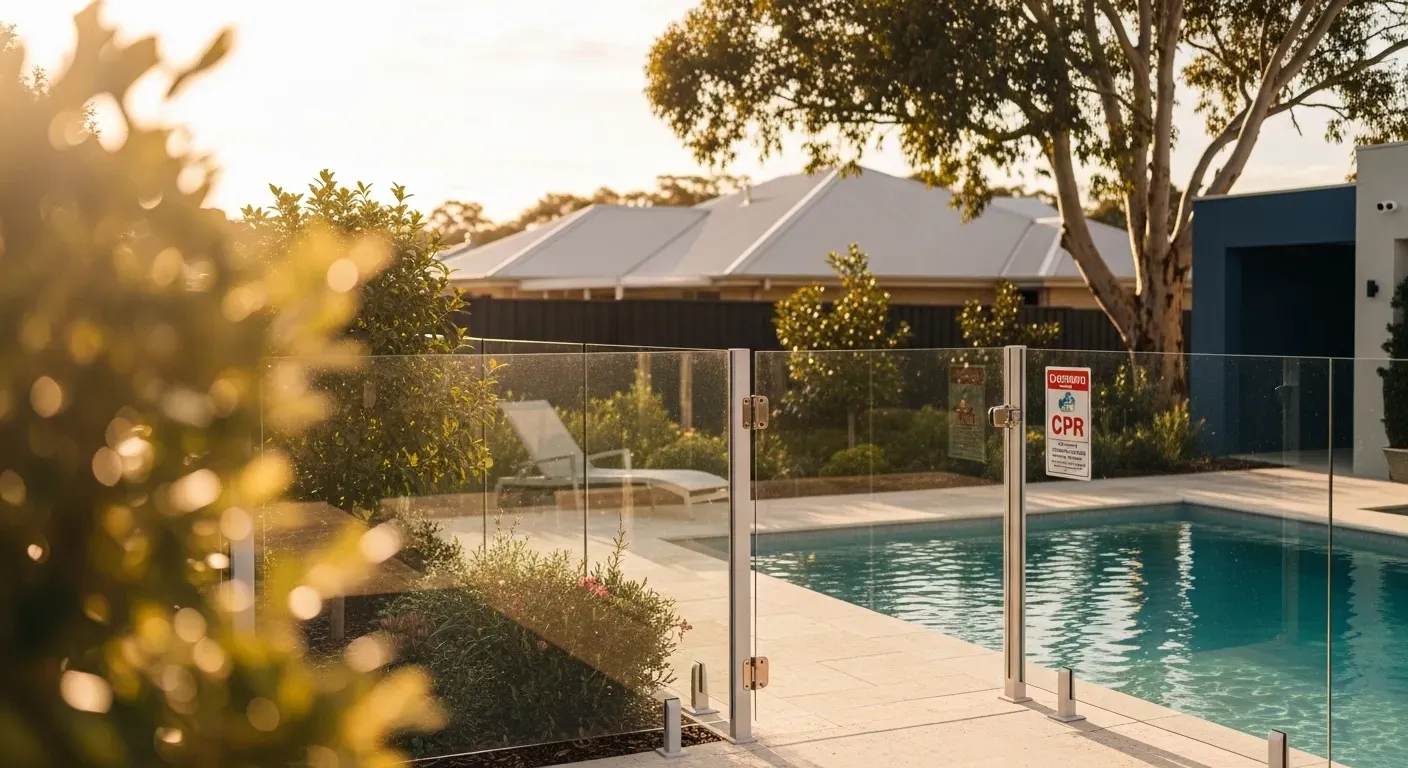
Pool Safety Requirements
AS1926 compliance guide and fencing regulations by state
Read guide
Fibreglass vs Concrete Pools
Detailed comparison of the two most popular pool types in Australia
Read guide